Transform Your Home With Professional Architectural Design Services
Transforming a home through professional architecture services involves more than just aesthetics. It requires a deep understanding of operational design and municipal construction codes. Collaborating with an experienced architect can address frequent problems while enhancing property appreciation. The process is structured and detailed, guaranteeing that every detail aligns with the homeowner's aspirations. Yet, many homeowners struggle to navigate this undertaking effectively. What steps can they take to secure a successful alliance?
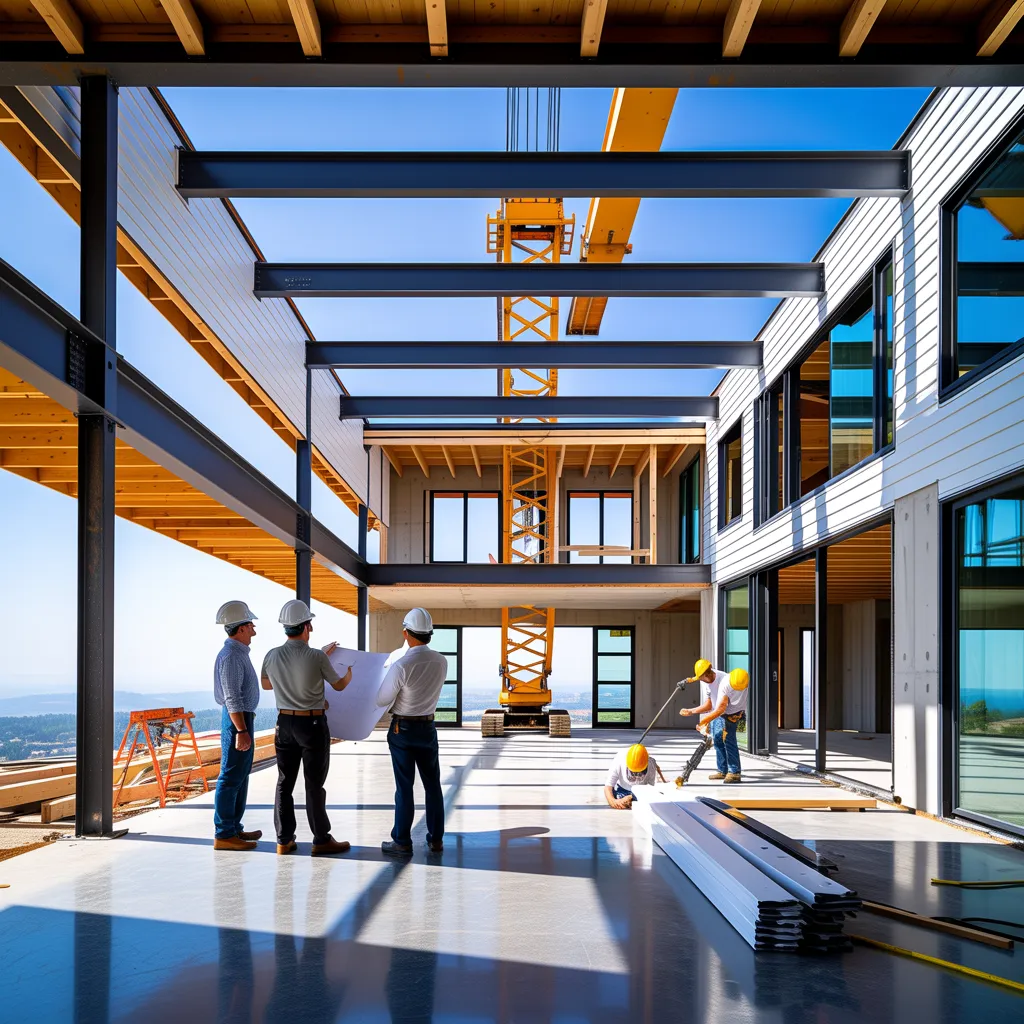
Common Home Design Challenges and How Architects Support
What causes home design to be so demanding for most homeowners? The challenge of mixing design preferences with practical needs often exhausts them. Homeowners commonly struggle with space limitations, budget limitations, and regulatory requirements, making design work more difficult. Additionally, many lack the technical knowledge required to manage structural needs and building codes.
Architects represent an vital role in reducing these difficulties. Their expertise allows them to handle the nuances of architecture, making sure that a homeowner's goal agrees with concrete circumstances. Architects can present groundbreaking strategies to enhance space while respecting safety regulations. They also contribute in forming integrated designs that express the homeowner's taste. By sharing knowledge into substances and construction techniques, architects support expedite the choice-making phase. In the end, their proficiency converts a seemingly overwhelming project into a partnered process, nurturing a equilibrated balance between originality and usefulness in residential design.
Reasons to Team Up With a Professional Architect
Working with a seasoned professional strengthens the home design experience by uniting professional insight with the client's objectives. Architects supply a deep well of knowledge in design principles, regulatory codes, and sustainable approaches, ensuring that the project not only attains design outcomes but also follows codes. Their talent for imagining and convey complex ideas facilitates converting intangible notions into tangible designs.
Furthermore, architects can offer innovative solutions to spatial challenges, optimizing layout and functionality. They also manage the intricacies of the building phase, coordinating with contractors and suppliers to ensure timelines and budgets are maintained. This professional oversight reduces potential errors and decreases the stress associated with home building or renovation. Ultimately, working with an architect results in a well-designed, cohesive space that embodies the homeowner's personality while enhancing overall home worth.
What Are the Key Steps in the Building Design Workflow?
How does the building design process develop from concept to finish? The process starts with an first meeting, where the architect and customer talk about goals, requirements, and financial plan. This stage is essential for creating a distinct direction. Next, the architect performs location evaluation, assessing elements like terrain, weather conditions, and building codes.
Next, the design phase begins. During this time, sketches and digital models are created, letting the client to visualize the project. After the design is finalized, the architect prepares comprehensive technical documents, with specifications and drawings.
With required permits secured, the project moves into the construction phase. The architect often works with contractors to ensure that the design is implemented correctly. Regular site visits and evaluations help maintain quality and compliance to the original vision. Finally, the project concludes in a inspection, verifying that the finished structure meets the client's expectations before the official handover.
How Can You Identify the Best Architect for Your Home?
Discovering the right professional for your dwelling requires careful consideration and research. Prospective homeowners should commence by clarifying their specific needs and budget, which will direct their quest. Recommendations from peers, family, or property professionals can deliver helpful prospects. Web-based galleries and reviews support examining an architect's previous accomplishments and client happiness.
Next, prospective parties should engage several prospects to measure their communication style, expertise, and approach to design. It's essential to discuss project parameters and timeline expectations to establish mutual understanding. Additionally, verifying qualifications and checking for relevant licenses and certifications can circumvent subsequent difficulties.
Ultimately, property owners should follow their intuition. The best architect should not only demonstrate the essential skills but also complement the homeowner's aspirations and values. This synergy creates a productive atmosphere, in the end generating a successful partnership in constructing a dream home.
How to Express Your Goals Successfully
Articulating a vision for home design proficiently is necessary for a productive partnership between homeowners and architects. To attain this goal, house owners should initiate by clearly stating their requirements and preferences. Creating a inspiration board with pictures, shades, and components can aid in expressing stylistic aspirations. Additionally, detailing functional requirements, such as dimensions and configuration, guarantees that the architect understands concrete details.
Home owners should also engage in candid conversations, encouraging inquiries and input to enhance their concept. Regular check-ins during the design process promote teamwork and openness. Using straightforward language to express thoughts and worries can avert misunderstandings and help align goals.
Ultimately, being receptive to the architect's proficiency enables a more stimulating exchange. By blending personal vision with professional insight, homeowners can strengthen a healthy partnership that accomplishes a beautifully designed space mirroring their aspirations.
How to Budget for Architecture Solutions
When commencing a home design project, developing a budget for architecture services is important to prevent monetary burden later. Homeowners should begin by researching typical fees in their area, which can vary based on the project's complexity and the architect's experience. It is prudent to allocate a percentage of the overall project cost specifically for architectural services, typically ranging from 5% to 15%.
Next, buyers should evaluate the scope of services essential—whether they seek total design and project administration or just preliminary meetings. Discussing openly with potential architects about their fee structures can elucidate costs.
Additionally, property owners should take into account possible changes and unforeseen costs, creating a financial cushion in their budget. By explicitly establishing their financial parameters upfront, customers can guarantee they select an design professional who matches their vision while staying inside their budget constraints.
Frequently Requested Questions
What Forms of Architecture Are Available for My Home?
Homeowners may select from diverse architectural styles, encompassing modern, traditional, colonial, Mediterranean, and contemporary. Each style delivers unique aesthetics and performance, allowing individuals to demonstrate personal preference while accounting for regional influences and environmental factors.
What Length of Time Does the Design Development Process Typically Take?
The design procedure typically takes several months, based on project intricacy, design approvals, and local codes. Factors such as client feedback and construction schedules can also influence the timeline greatly during the entire process.
Can Architects Offer Guidance With Sustainable Design Options?
Architects can certainly assist with eco-friendly design choices. They incorporate sustainable materials, efficient energy systems, and innovative layouts, guaranteeing projects minimize environmental impact while maximizing functionality and aesthetic appeal, aligning with clients' sustainability goals effectively.
What Qualifications Should I Find in an Design Professional?
When choosing an information architect, one should consider their academic background, professional credentials, expertise with similar undertakings, portfolio showcasing design style, and knowledge of local building codes. Communication skills and client testimonials also play vital roles in the decision-making process.
What Method Do Architects Use to Address Zoning and Permit Problems?
Architects address regulatory challenges by performing comprehensive analysis on local regulations, preparing necessary documentation, and liaising with municipal authorities. Their proficiency ensures adherence, expediting the permitting timeline for customer developments efficiently.